Unlocking the Secrets of Bees: A Comprehensive Guide for Passionate Beekeepers

From Pollination to Prosperity: Uncovering the Essential Role of Bees in Ecosystems and Agriculture

Bees are more than just honey makers; they’re nature’s tireless pollinators, crucial to both wild ecosystems and our agricultural landscapes. Whether you’re an experienced beekeeper dedicated to saving these incredible creatures or simply an admirer of their intricate world, understanding the full scope of bee biology and behavior is both fascinating and vital. In this guide, we dive deep into the world of bees, revealing intriguing facts, discussing their indispensable role in nature, and offering insights on sustainable beekeeping practices.


The World of Bees: An Overview

Diversity of Species:
There are over 20,000 known bee species worldwide, including social bees like honey bees and bumblebees, as well as solitary bees such as mason and leafcutter bees. Each species has evolved unique behaviors and ecological roles that contribute to the planet’s biodiversity.

Social Structure and Colony Life:
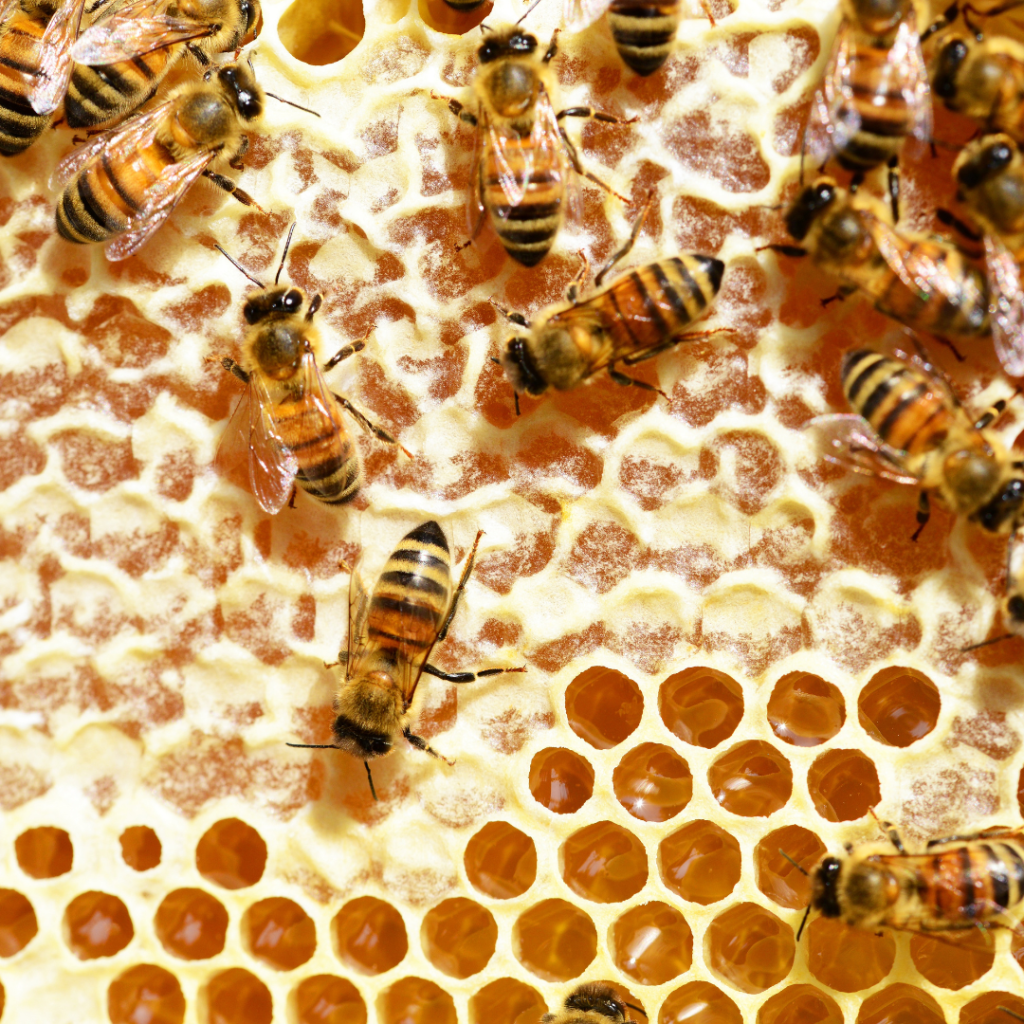
Social bees, particularly the honey bee (Apis mellifera), are renowned for their complex colony structures. A single hive can consist of one queen, thousands of workers, and a few drones, all working in harmony to sustain the community. Their organization is a brilliant example of nature’s efficiency, where each member plays a crucial role—from nursing the larvae to foraging for nectar and pollen

Ready to Save Some Bees? Contact Us Now!

We’re ready to make a difference together. Contact us today and help safeguard our planet's buzzing future!

Anatomy and Behavior: The Intricacies of Bee Life

Remarkable Communication:
Bees communicate using a sophisticated “waggle dance,” a behavior that conveys the direction and distance to food sources. This intricate language is a marvel of natural engineering, ensuring that every member of the hive benefits from shared discoveries.


Anatomy Built for Efficiency:

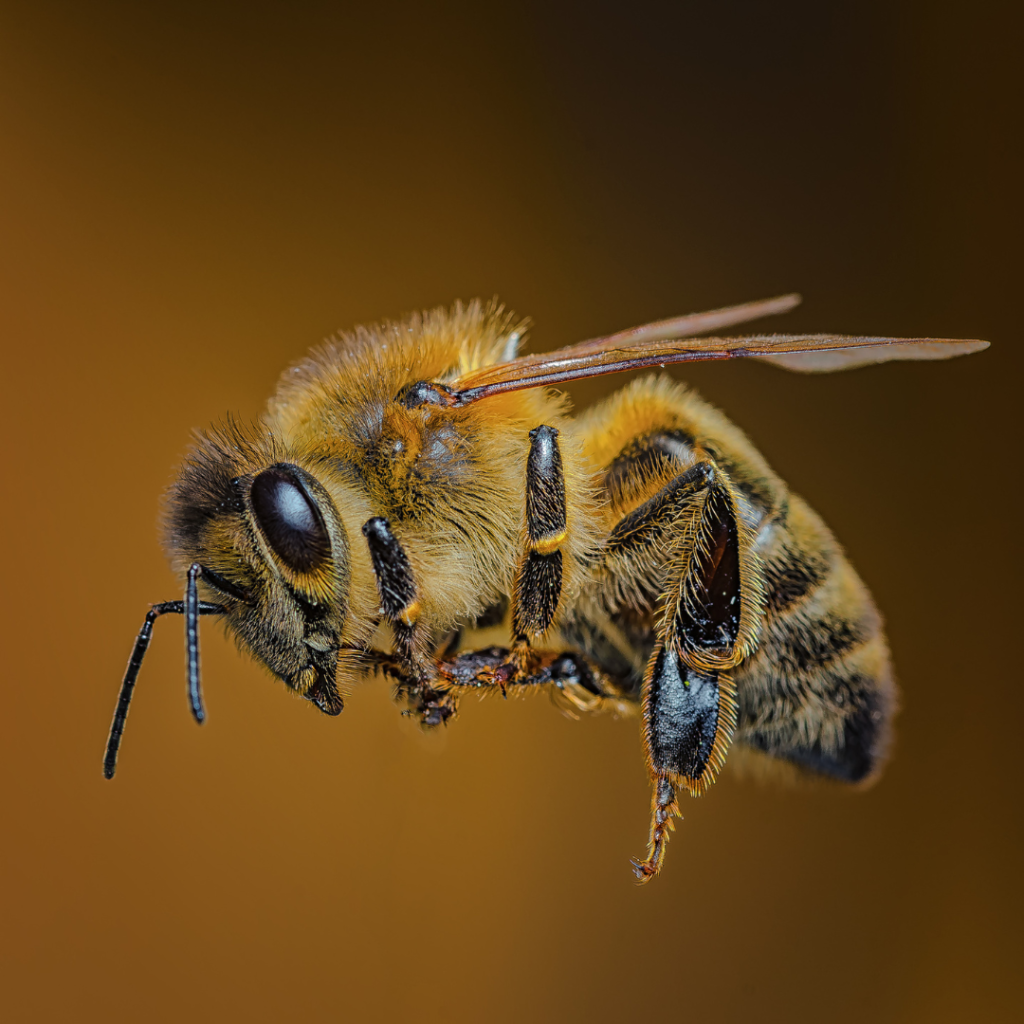
  • Eyes and Senses: Bees possess compound eyes that enable them to detect ultraviolet light—a spectrum invisible to humans—guiding them to vibrant, nectar-rich flowers.
  • Flight and Agility: Their lightweight yet strong bodies allow agile flight, essential for covering vast areas while searching for food.
  • Specialized Structures: From pollen baskets on their legs to their proboscis designed for sipping nectar, every anatomical feature is tailored for survival and efficiency.

The Role of Bees in Ecosystems and Agriculture

Pollination Powerhouse:
Bees are among the most effective pollinators, transferring pollen from flower to flower and enabling the reproduction of a vast array of plant species. This natural process supports food production, contributes to biodiversity, and even affects global food security.

Economic and Environmental Impact:

  • Agricultural Contributions: Many of the crops we rely on—fruits, vegetables, nuts—depend on bee pollination. It’s estimated that bees contribute billions of dollars to global agriculture every year.
  • Ecosystem Health: Beyond agriculture, bees help maintain the balance of natural ecosystems by supporting plant diversity and resilience.

Further Reading

Welcome to Bee Haven Chronicles: Florida Bee Rescue’s Journey to Safeguard Nature’s Pollinators

Welcome to Bee Haven Chronicles: Florida Bee Rescue’s Journey to Safeguard Nature’s Pollinators

Bee Haven Chronicles: Florida Bee Rescue Journey to Safeguard Nature’s Pollinators Guardians of Florida’s Pollinators…

Unlocking the Secrets of Bees: A Comprehensive Guide for Passionate Beekeepers

Unlocking the Secrets of Bees: A Comprehensive Guide for Passionate Beekeepers

Unlocking the Secrets of Bees: A Comprehensive Guide for Passionate Beekeepers From Pollination to Prosperity:…
Bees Are Starting To Experience Population Decline In Florida

Bees Are Starting To Experience Population Decline In Florida

Bees Are Starting To Experience Population Decline In Florida Habitat Loss: As urban development continues…