Florida Bee Rescue Will Safely Remove And Relocate Your Bee Population
Florida Bee Rescue Will Safely Remove And Relocate Your Bee Population If you have a bee population growing near your…
Miami’s rapid urban development, especially in areas like Brickell and Downtown, has led to an increase in honeybee sightings in high-rise buildings, balconies, and urban green spaces. As natural nesting areas disappear due to construction and landscaping, bees are adapting by establishing hives in manmade structures like vents, rooftops, and wall cavities.
Brickell, with its mix of concrete towers and tropical vegetation, creates a unique environment where bee swarms are increasingly common during the warmer months. Understanding the behavior and role of urban bees is essential—not only for safety, but for the health of local ecosystems. These pollinators play a vital role in supporting South Florida’s plant life, even in the heart of the city.
As Miami expands north and south—from the high-rises of Brickell to the suburbs of Kendall, Hialeah, and Fort Lauderdale—bee activity is on the rise in some surprising places. This blog explores why bees are adapting to city environments, how their behavior differs in urban vs rural settings, and what residents should know when encountering a swarm or hive.
With climate shifts, year-round blooms, and rapid construction, South Florida has become a unique microclimate where bees are thriving—right alongside us.
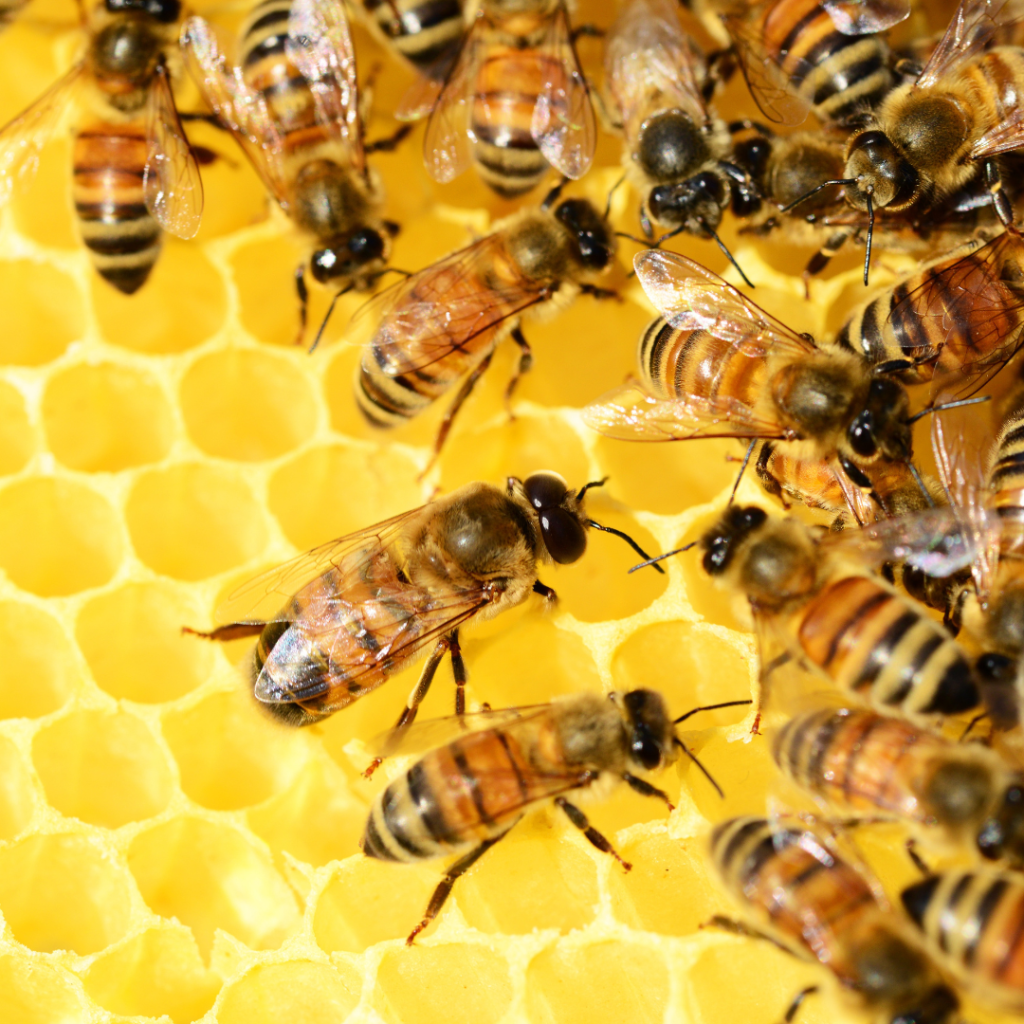
Within a beehive, there’s more than honey and buzzing—it’s a finely tuned society driven by teamwork and communication. Worker bees perform intricate dances to relay information about flower locations. Guards defend the entrance. Nurse bees care for larvae. Each role is crucial, and every bee works in harmony to sustain the colony.
This highly organized system is not only fascinating—it’s instructive. Bee behavior is inspiring new approaches in technology, teamwork models, and environmental stewardship. Learning how bees operate in unison helps conservationists develop smarter, more effective strategies to protect them in both urban and rural settings across Florida.
In the sleek skyline of Brickell, where condos climb and rooftops bloom with greenery, bee rescues aren’t just necessary—they’re becoming cutting-edge. Modern urban beekeeping and relocation efforts now rely on
non-invasive tools, thermal imaging, vacuum-safe collection units, and years of local experience to extract hives without harming bees or property.
Each rescue mission is a balance of precision and speed. In neighborhoods like Coconut Grove, Little Havana, or Wynwood—where architecture meets nature in unexpected ways—no two calls are ever the same. Bees might settle inside a condo wall, above a garage door, or in the hollow frame of a rooftop pergola.
Technology and training allow specialists to remove colonies quietly, cleanly, and sustainably—often before a homeowner even notices.
Far from being overwhelmed by the city, bees are
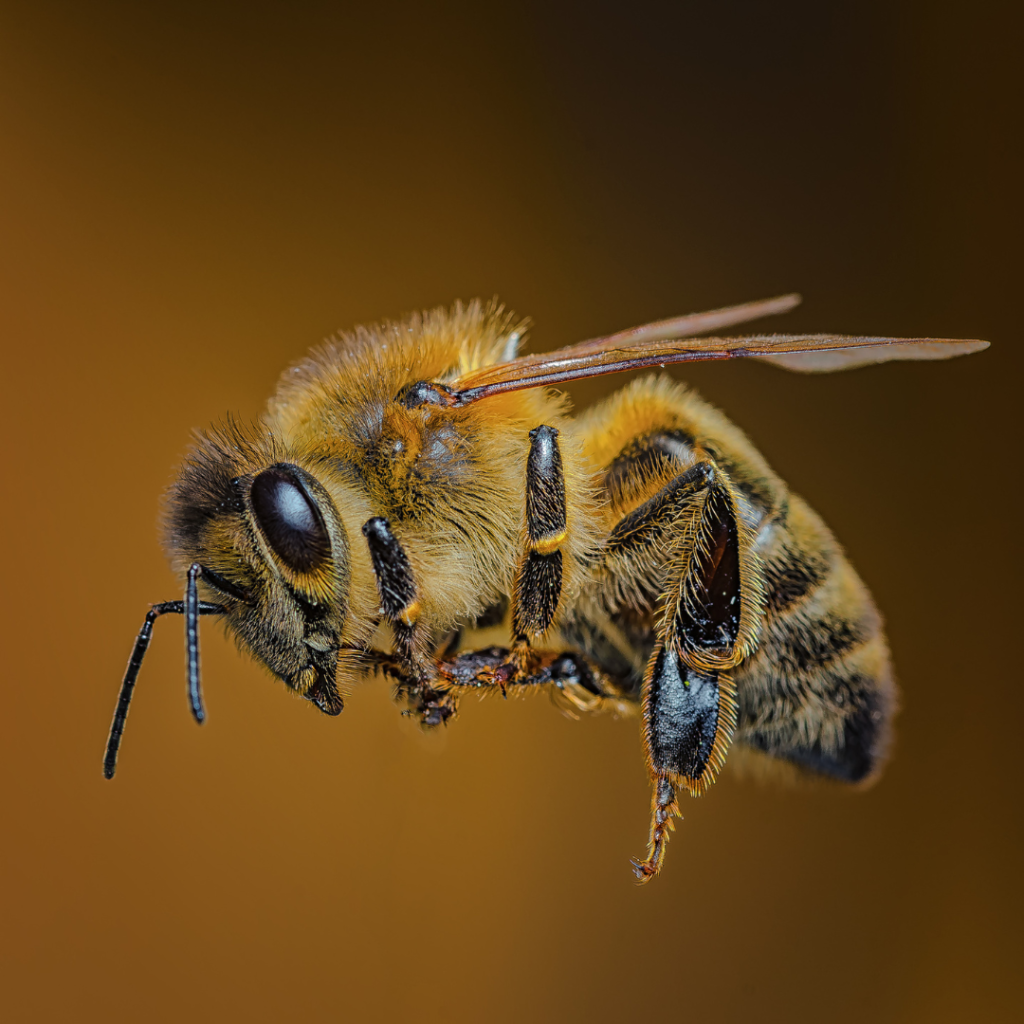
built for adaptation. Their compound eyes detect ultraviolet light, helping them spot nectar-rich blooms tucked between buildings or growing in rooftop gardens.
Their unique
flight mechanics—combining rapid wingbeats with aerodynamic precision—allow them to travel from Brickell flowerbeds to bayside palms and back again. Even in tight urban spaces, bees continue to thrive, turning high-rises and hedges into buzzing corridors of life.
The bees buzzing above Biscayne Boulevard aren’t just making honey—they’re supporting an entire
urban ecosystem. Every pollinated flower, fruit tree, or rooftop garden contributes to local food systems and biodiversity in cities like Miami and Fort Lauderdale.
Pollination isn’t just nature’s job—it’s a
multi-billion-dollar service that fuels agriculture and keeps native plant species flourishing. Protecting bees means preserving the very fabric of the natural world, even in our most concrete-dense communities.
Whether you’re facing a swarm in your soffit or starting a pollinator-friendly patio garden,
understanding the role of bees in city life is the first step toward smarter coexistence. With humane removal, mindful planting, and public awareness, even the busiest neighborhoods can support thriving bee populations.
Brickell is buzzing—and that’s a good thing.
Florida Bee Rescue Will Safely Remove And Relocate Your Bee Population If you have a bee population growing near your…
Bees Are Starting To Experience Population Decline In Florida Habitat Loss: As urban development continues to expand, natural habitats for…
Why Proessional Bee Removal Is Safer For You And The Bees Why You Should Never DIY a Bee Removal Finding…